Dear Mammy
By Anonymous in The New Inquiry (2019)
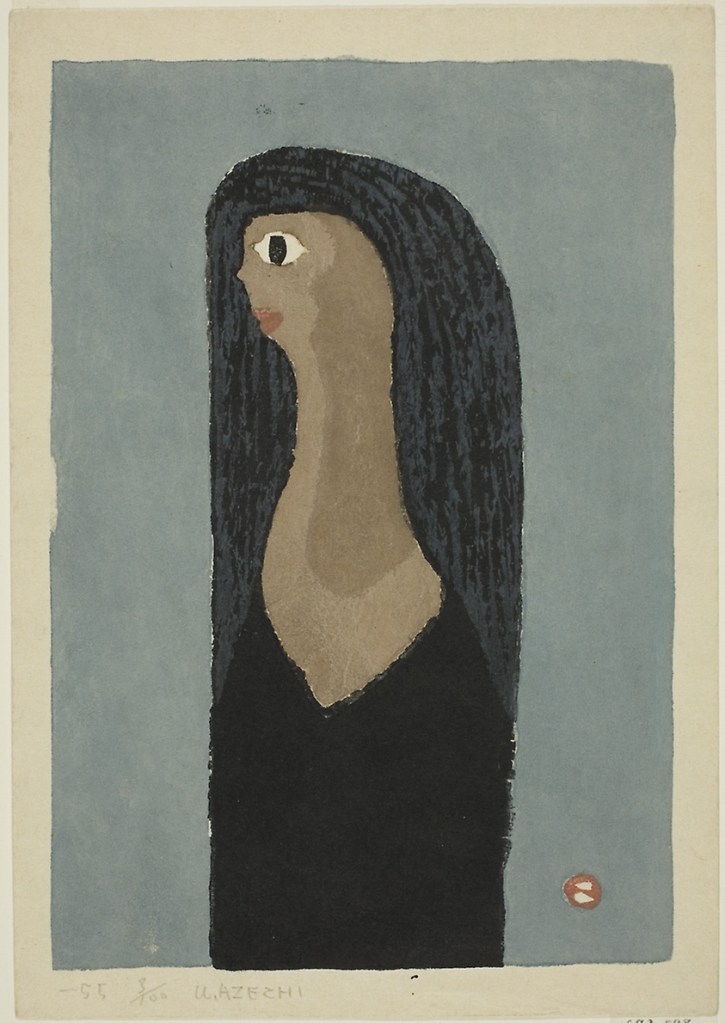
This satirical piece calls attention to the ability of ignorance to infiltrate academia as well as the ability of bigotry to mask itself with “woke” language. Through a series of emails to an unnamed female, black professional, the sender, named only “Black Feminist Man,” reveals himself to be the very kind of bigot he claims to be against. It’s a quick read, but the issues it expresses linger like a bile in the back of the throat; they give voice to a frustration often felt in academic and professional circles which claim to be “progressive.” The piece poses the implicit question of whether or not renaming something is enough to change its nature.
This might pair nicely with this post and this post, which both also deal with the ability of words to shape our reality.
Mary Edmonia Lewis, A.K.A. Wildfire
Mary Edmonia Lewis is known today as the first professional African-American sculptor. Though racism, false accusations of theft and poisoning, and poverty threatened to keep her out of the art world, her marble sculptures earned her worldwide renown. Few of her pieces survive today, but her portfolio is extensive; her sculptures had Greco-Roman influences, but she was known primarily for expressing her dual Native-American and African-American heritage. You can read her full biography here.
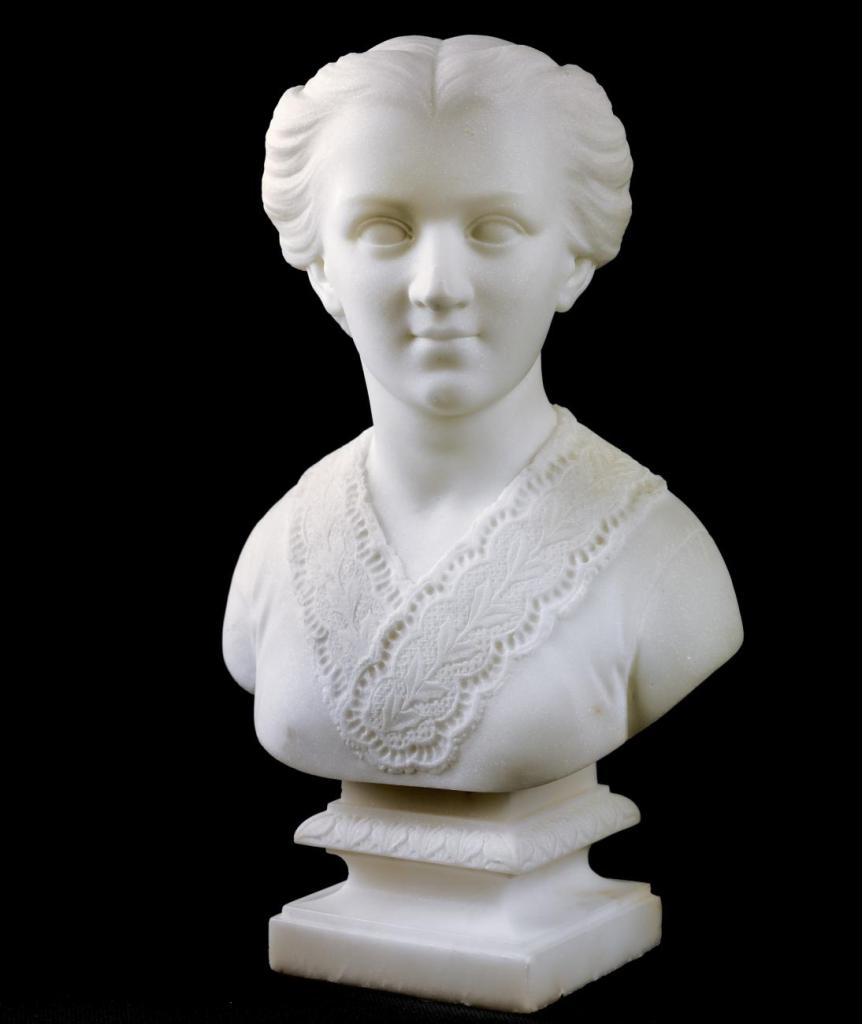
Edmonia Lewis
Anna Quincy Waterston, 1866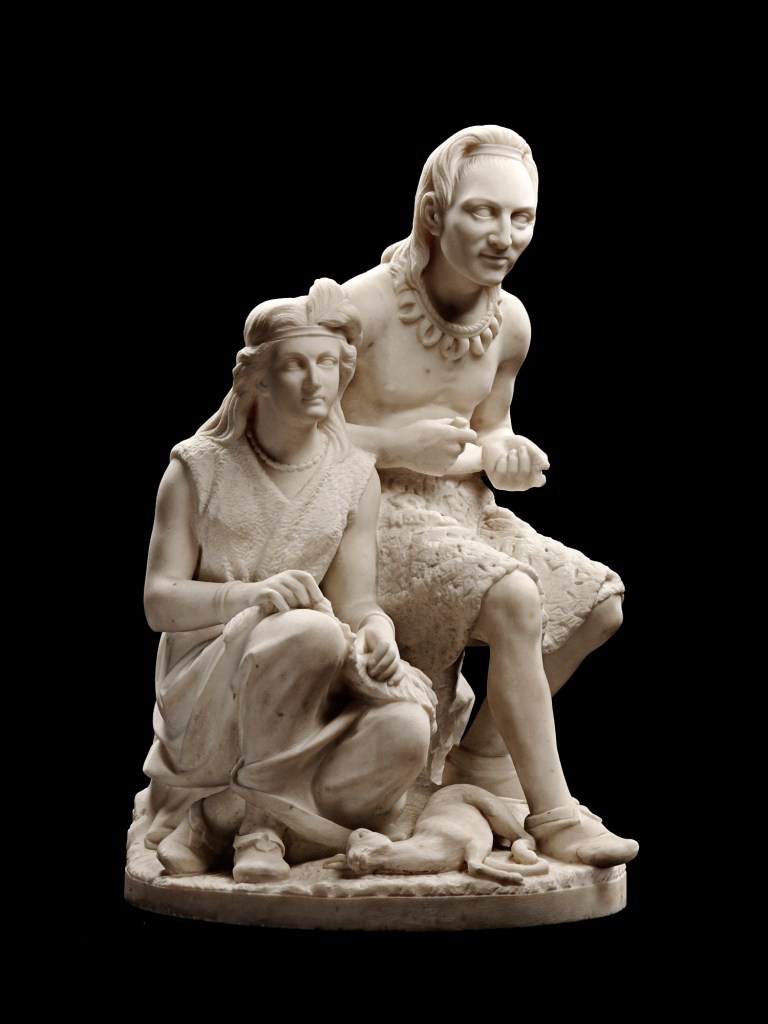
Edmonia Lewis
Old Arrow Maker, 1872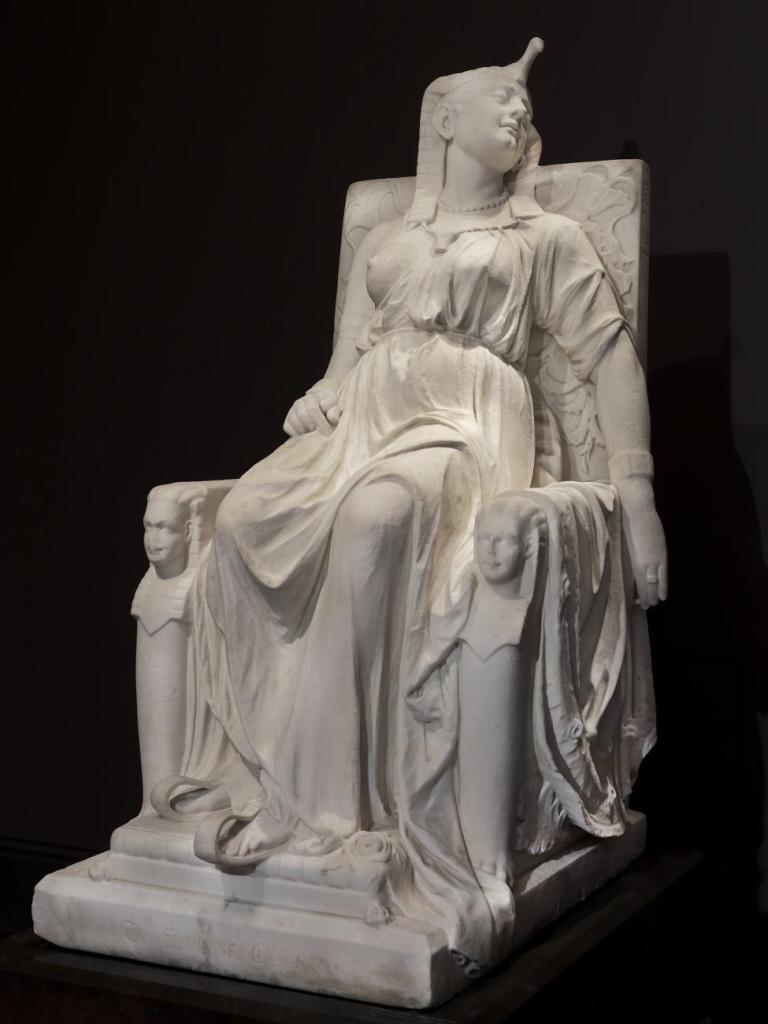
Edmonia Lewis
The Death of Cleopatra, 1876
If you’re more of a words person than a visual person, or if you just want to experience more of Edmonia Lewis’s lasting impact on art and culture, you might consider reading these poems by Tyehimba Jess. If you’re a current Odyssey student at UIUC, keep that name in mind, as you may be hearing about a relevant event soon!
The poems can be read at this link, and are titled “Alabaster Hands” and “Indian Combat.” Both are inspired by Lewis’s work.
Short Story: “The Yellow Wallpaper”
By Charlotte Perkins Gilman (1892)
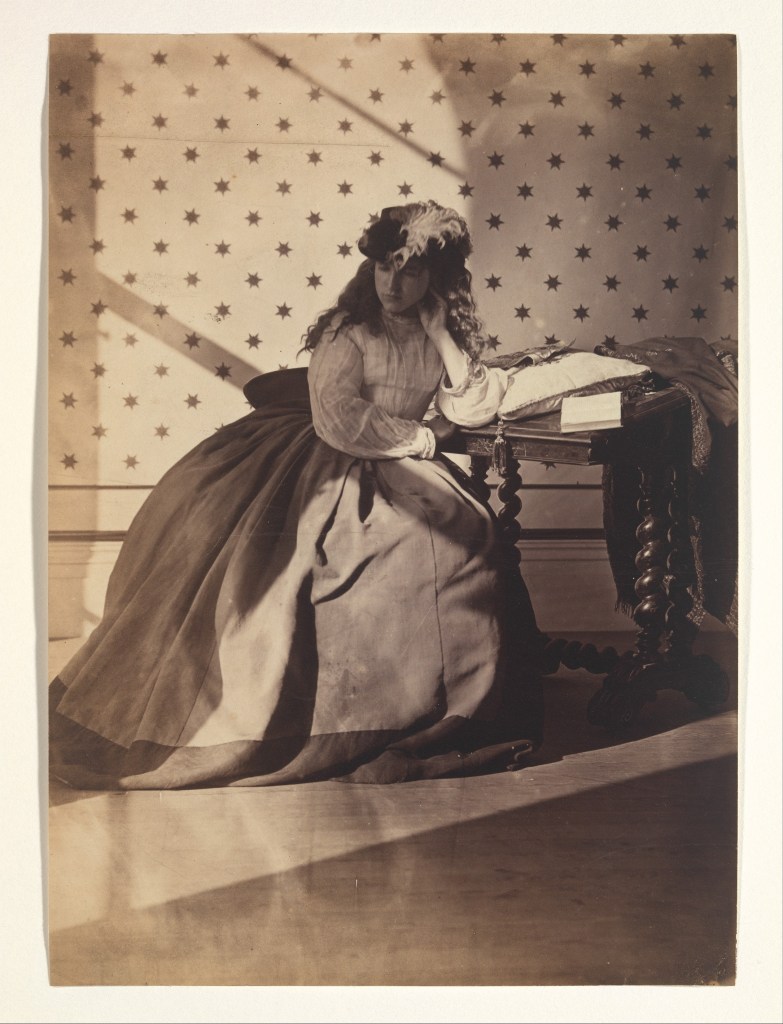
In the mood to read something creepy? If so, Charlotte Perkins Gilman’s “The Yellow Wallpaper” is the short story for you. A gothic tale and a significant early piece of feminist fiction, “The Yellow Wallpaper” is about a depressed woman forbidden from writing or leaving the house by her husband, a doctor. After several weeks of this, she begins to notice (or hallucinate?) women living in the walls around her.
Have you read the story, but still feel like you don’t really “get” it? Try giving its page on SparkNotes a readthrough. They explain the themes of the story, the symbolism, and more. Sometimes, it can even be beneficial to read the SparkNotes before the actual story.
Gilman, Charlotte Perkins. The Yellow Wallpaper. 2nd version, 1892, Project Gutenberg, http://www.gutenberg.org/files/1952/1952-h/1952-h.htm.
 Odyssey, Extra!